Introduction
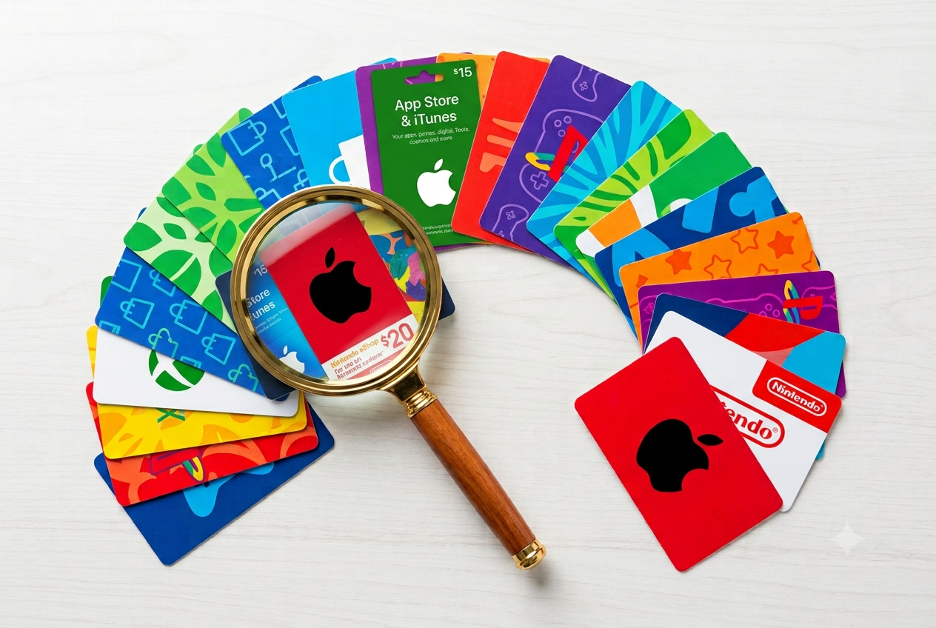
Gift cards are everywhere in 2026 — birthdays, holidays, “just because” gifts, thank-yous, and last-minute work events all seem to end with someone handing over a gift card. The real challenge isn’t finding one. It’s choosing the right brand from a market that’s just as full of scam tactics as it is legitimate deals.
Here’s the truth: gift cards are popular because they’re flexible, fast, and simple. But scammers love them for the exact same reasons, since a gift card transaction is nearly impossible to reverse once the money is sent. That means picking a great brand is only half the job. Knowing how to buy safely, verify a balance, and spot a fake listing is the other half — and it’s the part most guides skip. This one covers both.
Why Gift Cards Still Dominate Gifting in 2026
Gift cards solve real, everyday gifting problems, which is exactly why they keep winning over “traditional” presents:
- They’re flexible — the recipient decides exactly what to buy
- You skip the guesswork — no worrying about sizes, styles, or sold-out items
- They’re fast — most digital options deliver instantly
- They help control your budget — you set the amount upfront
- They can stretch further — resale marketplaces sometimes sell them below face value (though this is also where scams tend to hide)
In 2026, people also buy gift cards more casually, not just for big occasions. Streaming subscriptions, gaming platforms, rideshare credits, and popular retailers have become part of everyday spending for many households, so a gift card now fits naturally into daily routines instead of sitting reserved for holidays alone.
Best Gift Cards to Buy in 2026
These are the cards that consistently make sense for real-world gifting — widely accepted, useful to a broad range of people, and easier to redeem than niche alternatives.
- Amazon Gift Cards
If you want one card that fits almost anyone, Amazon is the safest bet. It covers everything from household basics to electronics, books, and impulse buys.
- Why it works: balances get used fast since the platform supports nearly every interest
- Great for: birthdays, coworkers, housewarming gifts, and anyone hard to shop for
- Visa or Mastercard Prepaid Gift Cards
The universal fallback. These function like a debit card and work anywhere the network is accepted.
- Why it works: removes guesswork when you don’t know the person’s preferences
- Great for: milestone birthdays, family gifts, “usable anywhere” situations
- Apple Gift Cards
More than a tech gift for anyone in the Apple ecosystem.
- Commonly used for: App Store purchases, iCloud storage, Apple Music, subscriptions
- Great for: iPhone/iPad users, students, frequent Apple service users
- Starbucks Gift Cards
Feels personal without requiring deep knowledge of the recipient’s taste, since it matches a habit they already have.
- Why it works: easy to redeem, no waiting for the “right item”
- Great for: quick appreciation gifts, coworkers, smaller gestures
- Target and Walmart Gift Cards
Big-box flexibility that covers a little bit of everything.
- Why it works: recipients can spend on actual needs, not just one category
- Great for: students, new movers, parents, household shopping
- Gaming Gift Cards (Steam, PlayStation, Xbox, Roblox)
Gaming spending is no longer just a teen habit — adults are a huge chunk of this market now too.
- Why it works: gamers can use the balance immediately, no payment method needed
- Great for: dedicated gamers, younger players (with parental approval)
- Food Delivery and Rideshare Cards (DoorDash, Uber Eats, Uber)
Pure convenience — order what you want or get where you’re going, no decision fatigue.
- Why it works: removes the need to plan or manage payment details
- Great for: college students, busy professionals, unpredictable schedules
- Experience-Based Gift Cards (Airbnb, Southwest Airlines)
Not every gift needs to be “stuff.” Experiences feel more memorable, especially for milestones.
- Why it works: turns a moment into a story
- Great for: anniversaries, big birthdays, travel lovers
How to Choose the Right Gift Card (So It Actually Gets Used)
The “best” gift card depends on the recipient, not brand popularity. Use this quick rule of thumb:
- If they shop online often → go broad (Amazon, Target)
- If they live in one ecosystem → match it (Apple for Apple users)
- If they have a clear hobby → support it (Steam, PlayStation, Xbox, Roblox)
- If they value convenience → pick everyday-life services (Starbucks, rideshare, delivery)
- If you’re not sure at all → go universal (Visa/Mastercard prepaid)
When truly unsure, a prepaid card is your friend — it avoids the “wrong choice” problem entirely because it isn’t tied to one store.
How to Avoid Getting Scammed When Buying Gift Cards
This is the part that matters most. Gift card scams have gotten more sophisticated, and some now look almost legitimate at first glance. Run through these safeguards every time.
- Buy from verified, reputable sources
- Stick to official retailer sites/apps, well-known marketplaces with buyer protection, or established stores
- Red flag: a discount that seems too good to be true — treat it as dangerous until proven otherwise
- If buying physical cards in-store, inspect before you pay
- Check packaging for signs of resealing or tampering
- Avoid cards where the PIN or activation area looks scratched or exposed
- Scammers sometimes copy exposed codes and drain the balance right after activation
- Never pay someone using gift cards to “fix” a problem
This scam script hasn’t changed much, only the disguise has. Common impersonations include:
- “Tech support” claiming your device is compromised
- A “government agency” demanding urgent payment
- A utility company threatening disconnection
- A “romance partner” with a sudden emergency
Reality check: no legitimate organization requires gift cards as payment. If someone’s asking for this, it’s a scam.
- If buying digitally, confirm the site or app is real
- Double-check the URL before entering payment info
- Don’t trust random links from emails or DMs
- Check reviews and reputation before using a new marketplace
- Don’t rely on third-party “balance checkers”
Always verify a card’s balance directly through the official issuer’s site or app, not a random third-party tool that could be scraping card data.
What to Do If You Get a Suspicious Gift Card
If the packaging looks tampered with, the seller seemed sketchy, or the value doesn’t match expectations:
- Stop using it immediately
- Check the balance through the official issuer’s platform
- Report it right away if something’s wrong
- Keep your receipt, order number, or screenshots as proof
Acting fast gives you the best shot at resolving the issue before further loss.
Digital vs Physical: Does It Change the Scam Risk?
Yes, partly. Digital cards cut out physical tampering risk but open the door to phishing and fake websites instead. Physical cards are easier to gift in person and harder to lose in a cluttered inbox, but they can be tampered with before you even buy them. If you want the full breakdown of how these formats compare beyond just scam risk, it’s worth reading through that comparison before deciding which one fits your situation best. The safest choice isn’t “digital is better” or “physical is better” — it’s whichever one you buy from a trusted source and verify properly.
Conclusion
The best gift cards to buy in 2026 are the ones that match the recipient’s real habits:
- Amazon for broad everyday use
- Visa/Mastercard prepaid for anywhere-usability
- Apple for subscription-heavy users
- Starbucks for routine, low-effort gifting
- Target/Walmart for household needs
- Gaming cards for dedicated players
- Delivery/rideshare for pure convenience
- Experience cards for milestones worth remembering
But no matter which brand you choose, scams remain a serious risk, especially when buying from unreliable sellers or chasing discounts that seem too good to be true. Buy from trusted sources, inspect or verify before activation, and never pay anyone using gift cards under pressure. Do that, and your gift card will do exactly what it’s supposed to: add real value for the person receiving it, not stress for you.